All Things You
2026One stop curation for all things you. Saved places, fits, books and shows - all in one place. Stop scrolling through saved posts and start finding what you actually want.
I like solving problems that pull at my curiosity. Building things lets me explore new ideas, tinker with systems, and understand the world a little better while also sharing my view of it. You'll see traces of the things I love scattered across these projects: language, distributed systems, machine learning, football, and art. If something catches your attention, tell me, I'd love to hear about it!
One stop curation for all things you. Saved places, fits, books and shows - all in one place. Stop scrolling through saved posts and start finding what you actually want.
Search for artwork based on themes, moods, and keywords. It’s meant to be a lightweight discovery tool; a way to quickly gather visual references when I’m working on essays or stories.
pravas (journey in Marathi) is a place to log your travels, pin memories to a map, and look back on the places that shaped you.
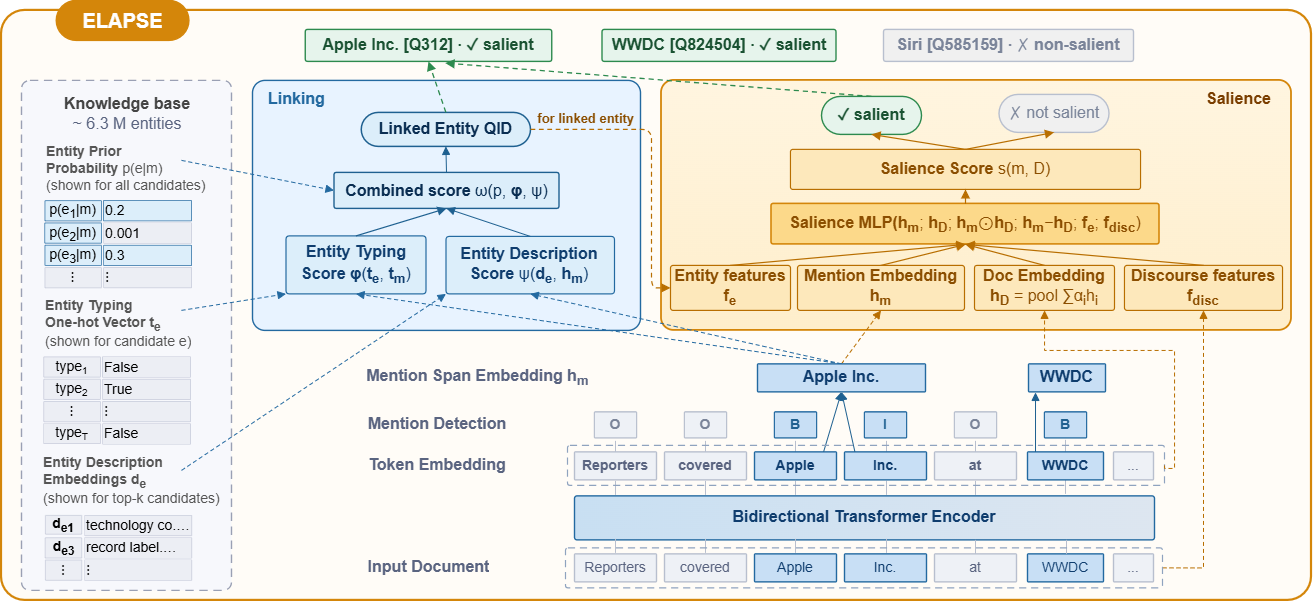
A system to detect and link salient entities in web articles. This is an ongoing independent research project we're developing in collaboration with Apple. The direction is still evolving, and it may look completely different a few months from now but that’s the fun part :)
Course project for CS685. It explores a cost-efficient alternative to fine-tuning by letting the model iteratively refine its own retrieval process. Our method achieved the best factual accuracy, showing how multi-step reflection reduces hallucinations without training overhead.
At HackUMass, we built tinder for research papers. Users swipe through arXiv summaries, save or read what interests them, and even match with others who share similar academic tastes.
I discovered football analytics a few years ago and immediately fell in love with it. My home for exploring and experimenting all things football analytics.
I built this during my research internship at C-MInDS. It uses linguistic and embedding-based features to assess student answers relative to model responses.